
Scuba Diving in Puerto Princesa: The Local Guide
Puerto Princesa is the capital of Palawan and the main gateway to the island, yet most visitors rush straight through on their way to El Nido or Coron. Divers who stop here find calm bays, easy reefs a short boat ride from town, and the main departure port for liveaboard trips to Tubbataha Reefs, one of the most famous dive areas in Asia.
This guide covers what the diving is like, where the boats go, when to come, and how to plan a few days of diving from the city.
Is diving in Puerto Princesa any good?
Yes, especially if you want relaxed, easy diving close to town. Much of the local diving happens in Honda Bay, a wide, sheltered bay just north of the city that is dotted with small islands, sandbars and shallow reefs. The conditions suit new divers, people doing a course, and anyone who wants a gentle day on the water rather than strong currents.
What it is not is wall-to-wall big-animal action. For sharks, mantas and huge walls, the place to go is Tubbataha, which leaves from Puerto Princesa during a short season each year. More on that below.
Where do the dive boats go?
Honda Bay
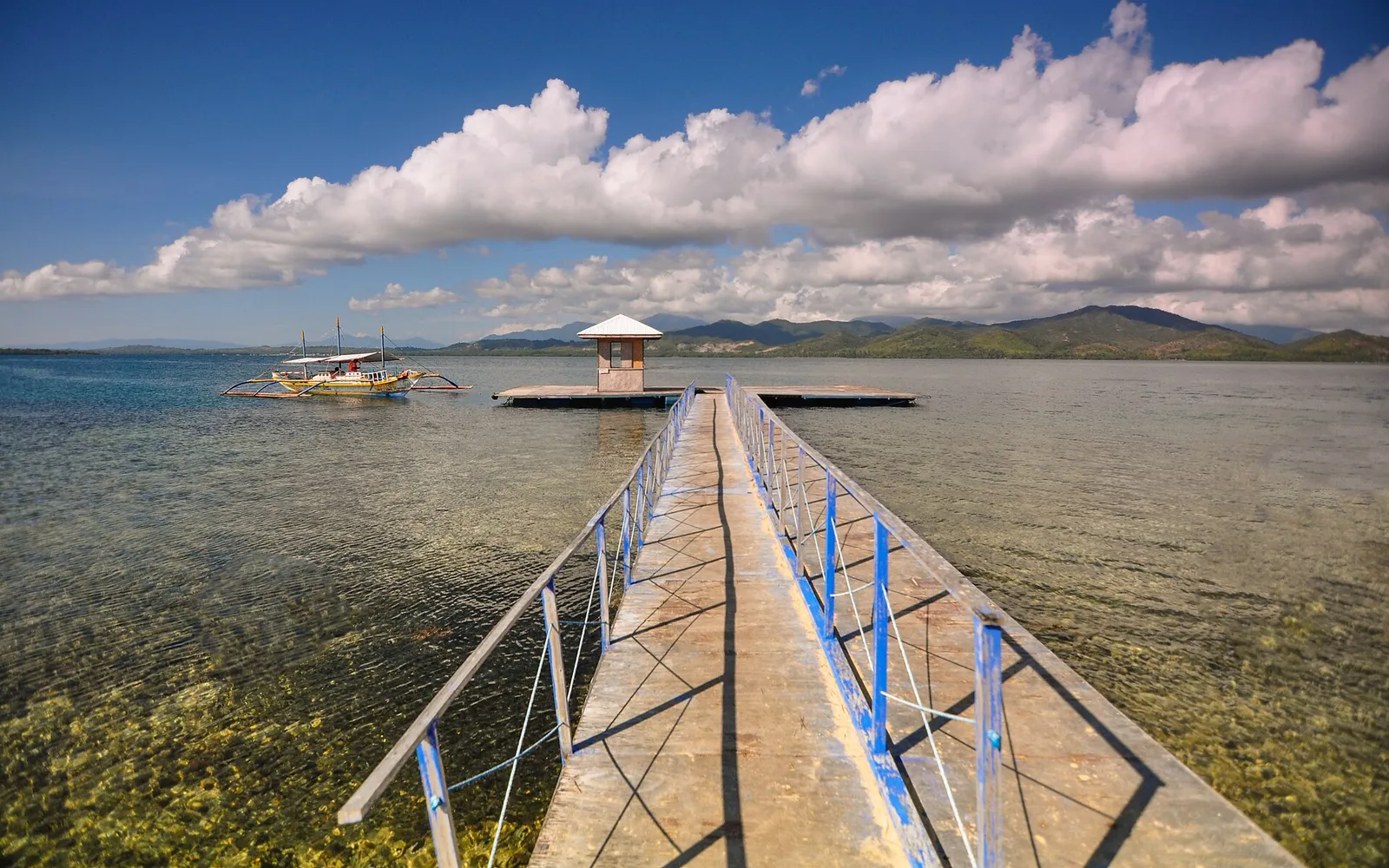
Honda Bay is the home water for day trips from Puerto Princesa. Boats usually leave from Santa Lourdes Wharf, about 12 km from the city centre, which is roughly a 20 to 30 minute drive. From there it is a short run out to the islands.
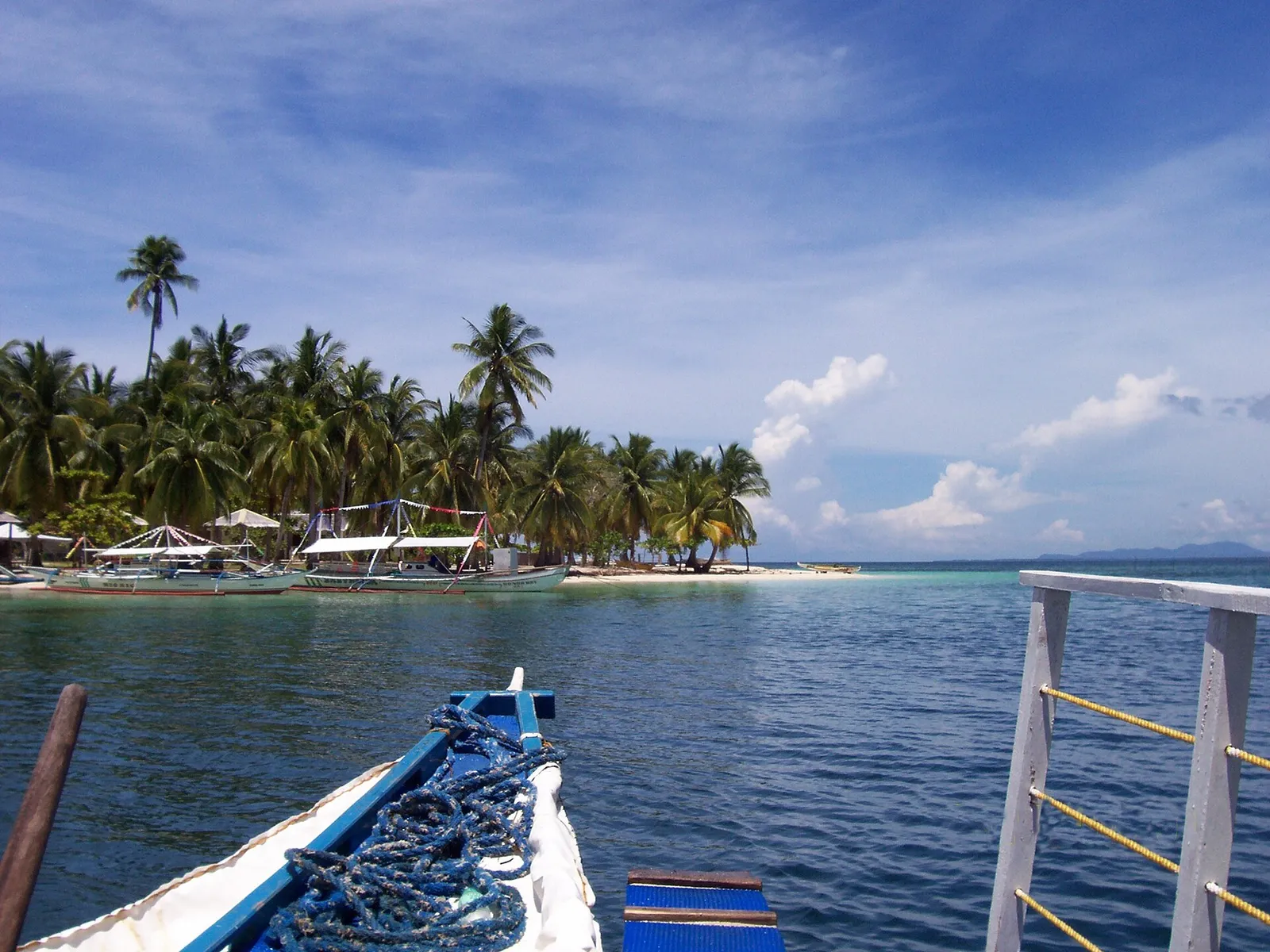
The best-known islands in the bay include Cowrie Island, Luli Island, Starfish Island and Pambato Reef. Many of these are visited by snorkelling and island hopping tours as well as dive boats, so the reefs near the beaches can be busy at peak times. Dive boats tend to head for the deeper edges of the reefs and slopes, where the coral is in better shape and the fish life is richer.
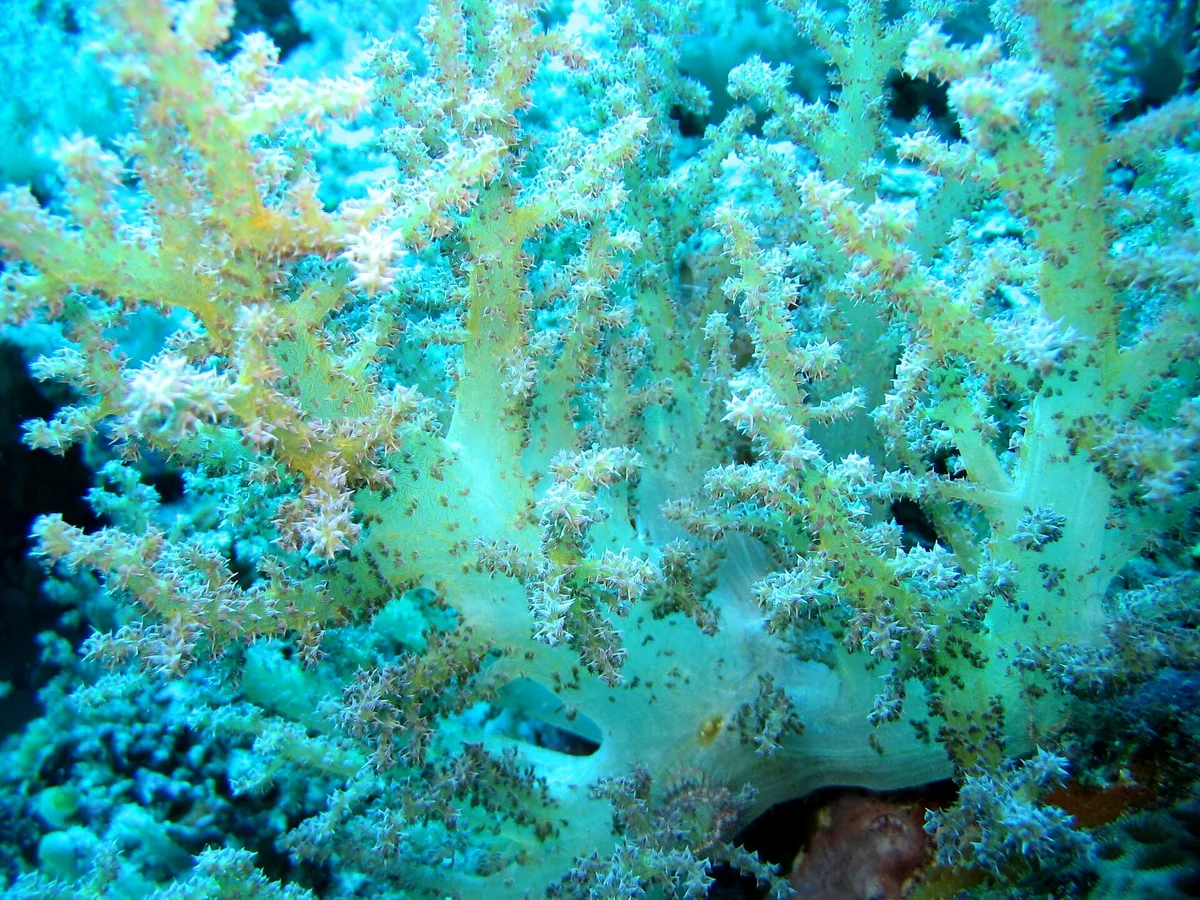
Typical sightings in the bay include reef fish, colourful soft corals, cuttlefish and the occasional turtle. Visibility in a sheltered bay is generally lower than on the open ocean reefs further out, so do not expect the 30 m plus clarity you get at Tubbataha.
Local dive sites
Every dive centre has its own favourite spots, and conditions on the day decide where the boat goes. Our list of sites, with depths and what to look for, is on the dive sites page. If you have a particular site in mind, ask us when you book and we will tell you whether it is likely on your dates.
Tubbataha Reefs
Tubbataha Reefs Natural Park sits in the middle of the Sulu Sea, around 150 km south east of Puerto Princesa. It is a UNESCO World Heritage Site, first listed in 1993 and extended in 2009, and it is only open to visitors for about three months a year. There are no day trips: the only way to dive it is on a liveaboard that sails overnight from Puerto Princesa.
If Tubbataha is on your list, read our Tubbataha liveaboard guide for the season, permits and who can go.
What will I see underwater?
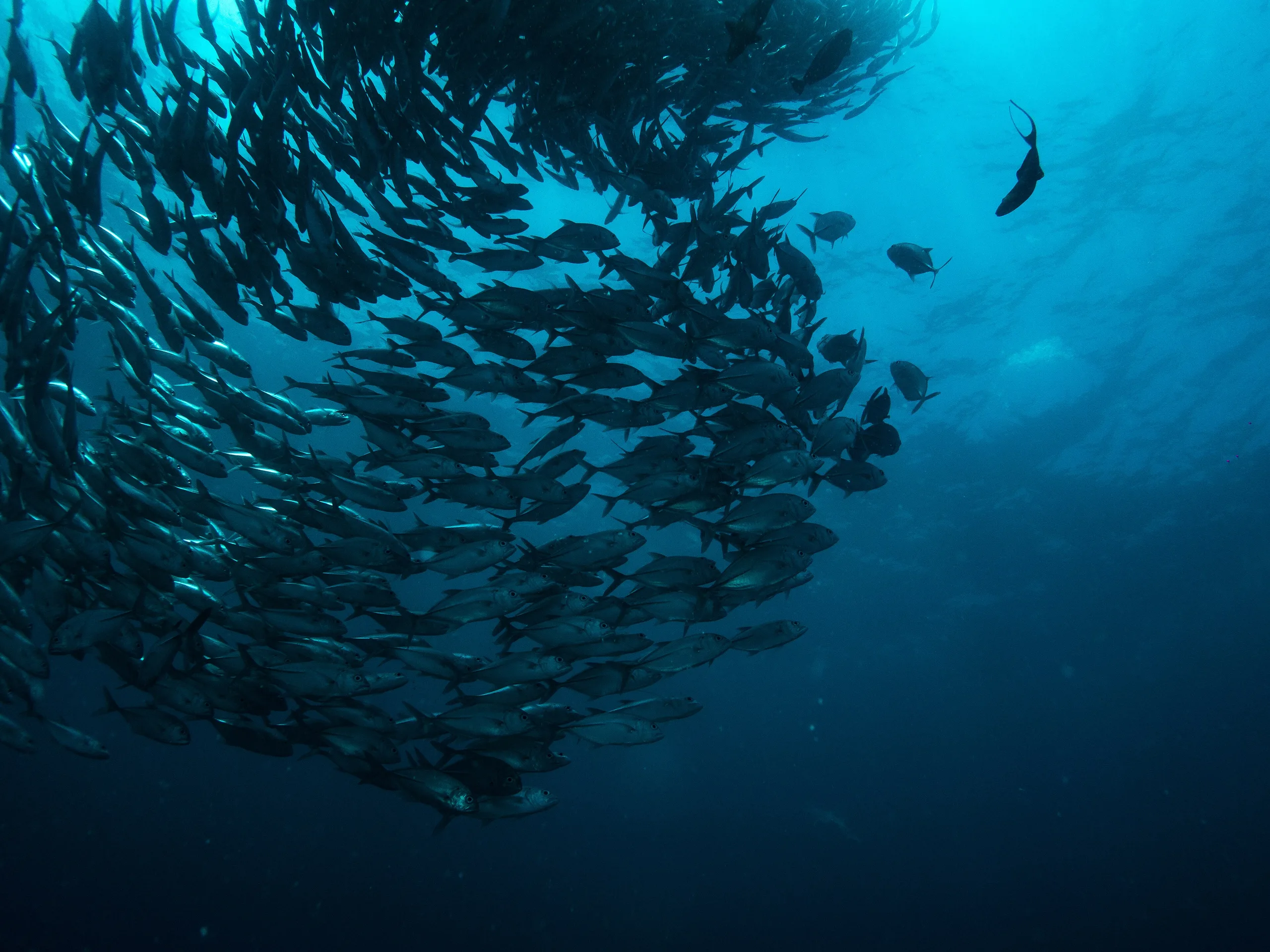
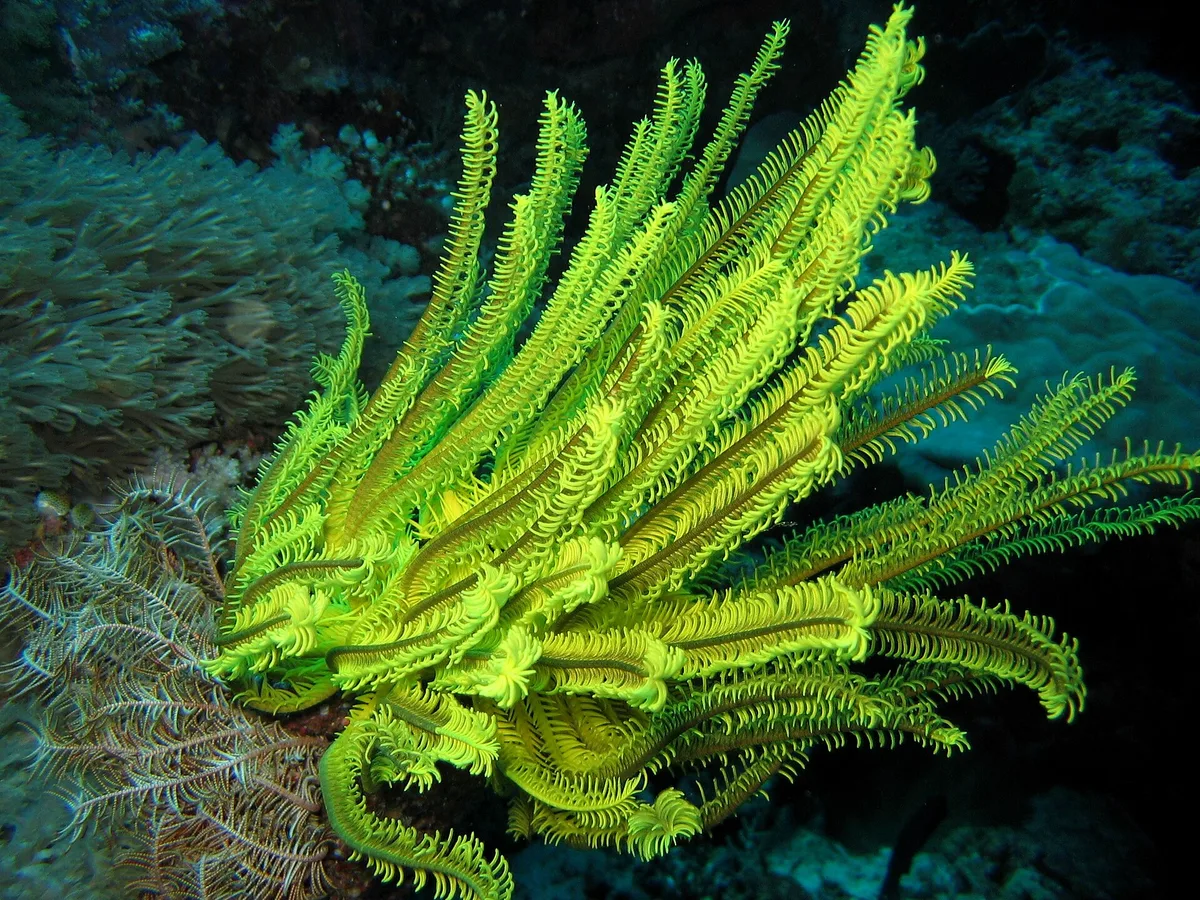
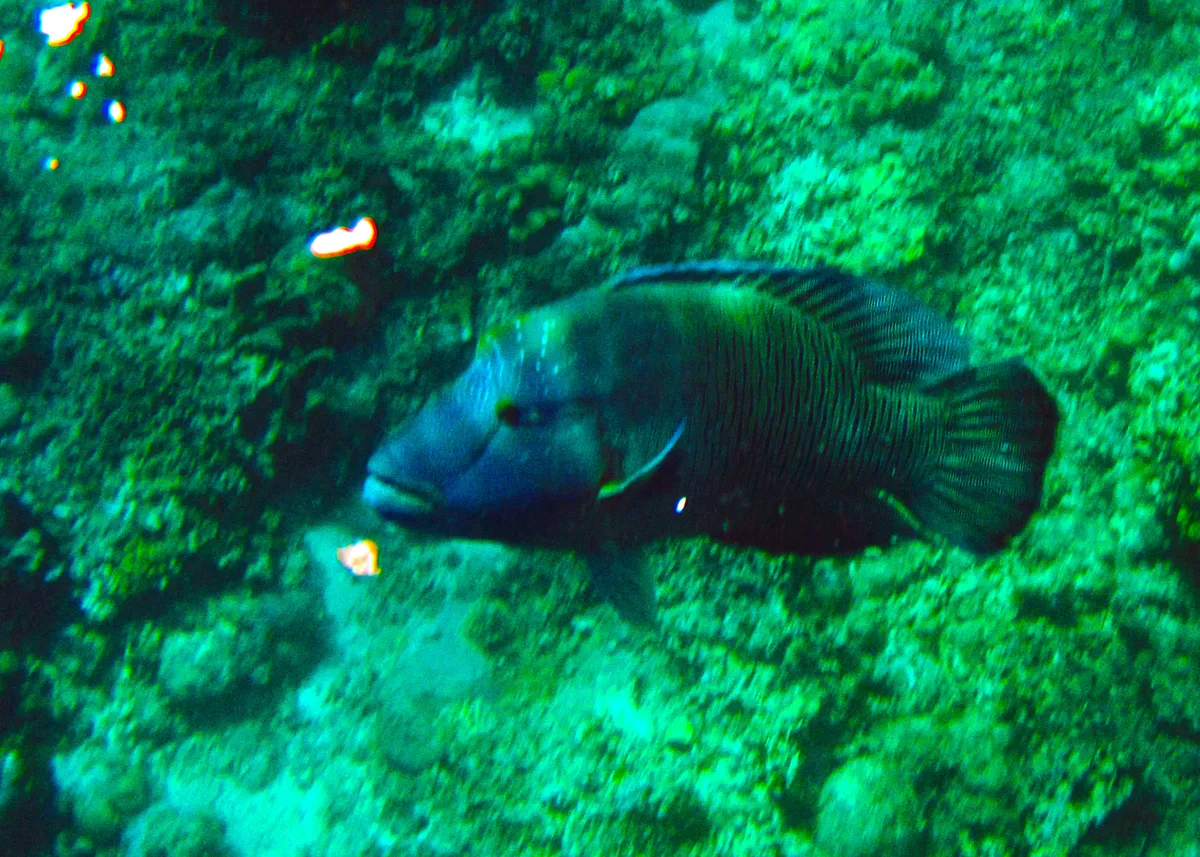
Around Puerto Princesa, expect classic Philippine reef life: anemones and clownfish, triggerfish, wrasse, parrotfish, nudibranchs, cuttlefish and plenty of soft and hard coral. Larger animals such as Napoleon wrasse and reef sharks are much more likely on the offshore reefs, and especially at Tubbataha, than in the sheltered parts of Honda Bay.
When is the best time to dive Puerto Princesa?
The calmest, driest stretch is usually from about November or December through to May, when the north east monsoon (amihan) brings drier weather. The south west monsoon (habagat) brings more rain from roughly June to October, but Honda Bay is sheltered and diving often goes ahead through much of the year.
Palawan sits further from the usual typhoon tracks than much of the Philippines, though storms can still affect the island, most often around September and October. For a month-by-month view, see the best time to dive Palawan.
What does a day of diving look like?
Our daily boat fun dives leave at 08:00 unless we agree a different time with you. You do two or three dives depending on conditions, with surface intervals on the boat or on one of the islands.
You can choose a 2-dive day or a 3-dive day. If you have not dived for a while, tell us when you book. A refresher before your first dive makes the whole trip more enjoyable.
Can I learn to dive in Puerto Princesa?
Yes. The calm, warm water in Honda Bay is a good place to learn. You can:
- Try it for a day with Discover Scuba Diving, no experience needed.
- Get fully certified with the PADI Open Water Diver course.
- Go further with Advanced Open Water, Enriched Air (Nitrox) or Rescue Diver.
Courses run on a schedule that suits you. Our guide to getting PADI certified in Puerto Princesa explains how it works.
Getting to Puerto Princesa
Puerto Princesa International Airport (PPS) is only 2 to 3 km from the city centre, so you can land and be at the dive shop within minutes. Flights from Manila take around one and a half hours, and there are also connections from Cebu and other cities.
Our shop is at 350 Rizal Avenue, Barangay Bancao Bancao, a short ride from the airport.
Top up your trip: what else to do in Puerto Princesa
Plan a day out of the water before you fly home. The Puerto Princesa Subterranean River National Park, a UNESCO World Heritage Site since 1999, is about two hours by road from the city at Sabang. It makes a good no-dive day, and it keeps you on the ground for the time you need before flying.
A quick checklist before you come
- Bring your certification card and logbook (a photo or app version is fine).
- Check the medical questionnaire before you travel. If you answer yes to anything, get a doctor's sign-off at home, because it can be harder to arrange on holiday.
- Leave a gap before you fly. The usual guidance is at least 12 hours after a single dive and 18 hours after several dives or several days of diving.
- Bring Philippine pesos for any marine park fees that are paid in cash.
Ready to dive?
Tell us your dates, your experience and what you would like to see, and we will suggest the right days and dives. Get in touch or browse all our courses and trips.
Cover photo: Luli Island, Honda Bay, by mendhak, CC BY-SA 2.0, via Wikimedia Commons.