

Tubbataha Liveaboard from Puerto Princesa: Season, Permits and Who Can Go
Tubbataha Reefs Natural Park is on almost every serious diver's wish list. Remote, strictly protected and open for only a few months a year, it offers some of the healthiest coral and the best chances of sharks and big fish in the Philippines. Every trip there starts in Puerto Princesa.
This guide answers the questions we hear most: when you can go, how you get there, what it costs in fees, and whether you have the experience you need.
Where is Tubbataha?
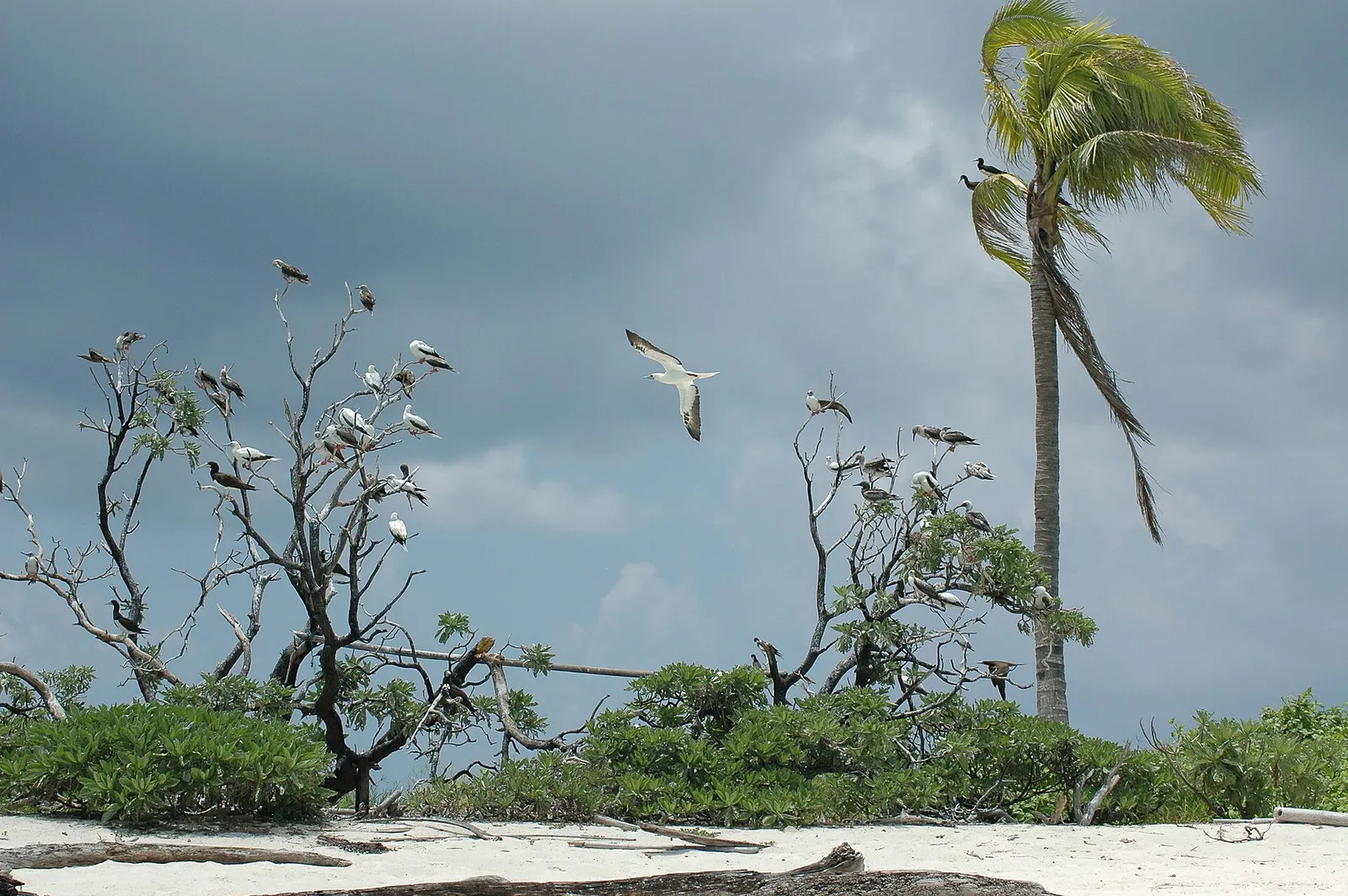
Tubbataha sits in the middle of the Sulu Sea, around 150 km south east of Puerto Princesa. The park covers about 97,000 hectares of reef and open sea, including two large atolls (the North and South Atolls) and the smaller Jessie Beazley Reef.
It was listed as a UNESCO World Heritage Site in 1993, and the protected area was extended in 2009. Park rangers live on site all year round to protect it.
Can I do a day trip to Tubbataha?
No. Tubbataha is too far offshore for day boats. The only way to dive it is on a liveaboard, a boat you live on for the whole trip. Boats sail overnight from Puerto Princesa, a crossing of roughly 10 to 12 hours, so you wake up at the reef.
Most trips last around six nights, with several dives a day across the different reefs.
When is the Tubbataha season?
The park is only open to divers for a short window each year, usually from about mid March to mid June. Outside those months the sea is too rough for the crossing. The park management office confirms the exact dates every year, so check them before you book flights.
Within the season, sightings vary. Manta rays are most often reported around April and May, and hammerheads are seen occasionally from April to June. Nothing in the ocean is guaranteed.
What will I see?
Tubbataha is famous for:
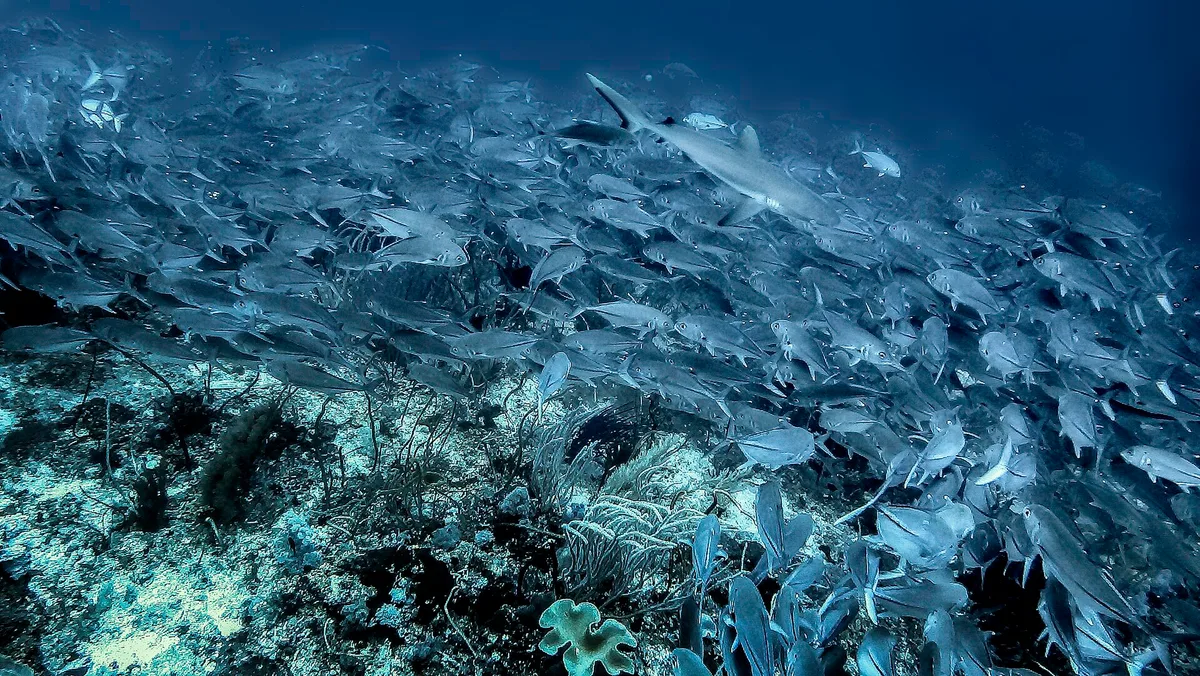
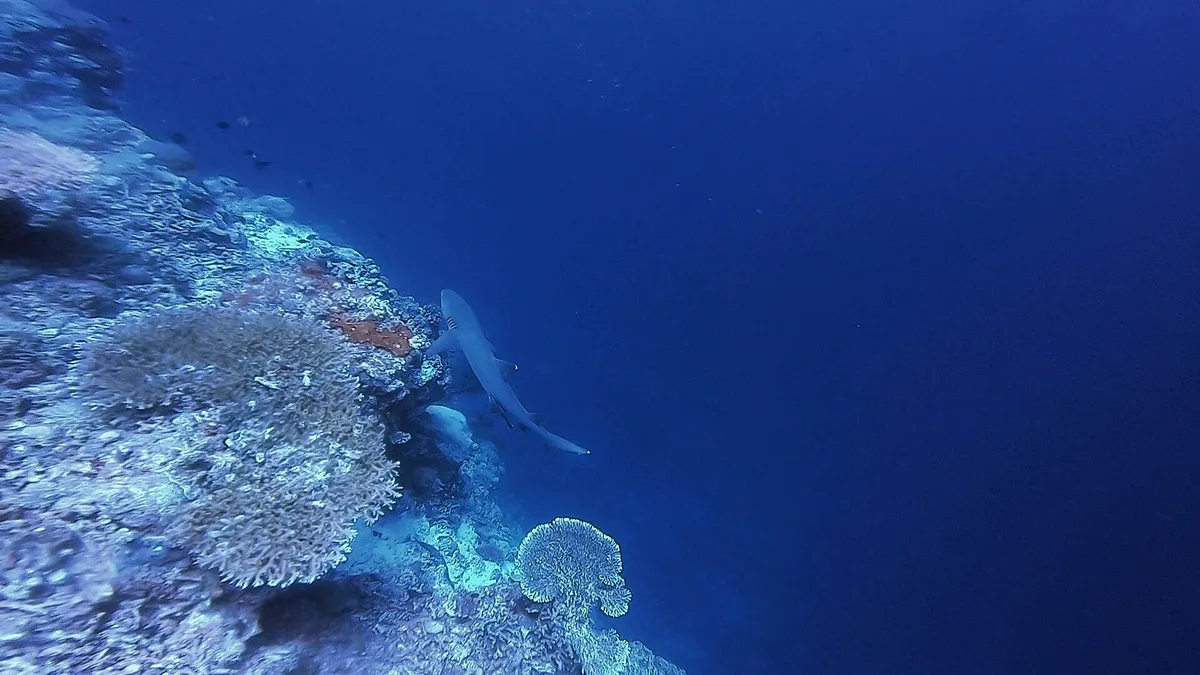
- Sharks. Grey reef sharks and whitetip reef sharks are common. Hammerheads are seen on some trips.
- Big fish. Schools of jacks and barracuda, Napoleon wrasse, tuna and turtles.
- Walls and coral. Steep walls covered in hard and soft coral, sea fans and sponges. The park records roughly 350 or more coral species and around 500 to 600 fish species.
- Visibility. Often 20 to 40 metres or more, with water around 26 to 30°C.
What experience do I need?
Tubbataha is not a place to learn. Dives are often on deep walls in open ocean, with currents that can be strong and change quickly. Most liveaboard operators ask for:
- Advanced Open Water certification (or equivalent).
- A minimum number of logged dives, commonly around 50. Requirements vary by boat, so check before you book.
- Recent dive experience. If you have not dived in a while, do some fun dives first.
Useful extras:
- Enriched Air (Nitrox) certification. Most boats offer nitrox, and it can give you longer dives with several dives a day.
- A surface marker buoy (SMB) and the confidence to deploy it.
- Good buoyancy. A Peak Performance Buoyancy course is a great warm-up.
If you are not there yet, you can build up in Puerto Princesa. Our Advanced Open Water course and daily fun dives are a good way to get trip-ready.
What are the park fees?
Every visitor pays a conservation fee, which is set by the park. At the time of writing, the official park website lists a fee of PHP 5,000 per visitor, with children under 12 exempt, payable in Philippine pesos. Fees can change, so check the current figure on the official park site or with your liveaboard before you travel. The fee goes towards protecting the reef and paying the rangers.
What are the rules in the park?
Tubbataha is a no-take marine park with strict rules. The key ones for divers:
- Do not touch, chase or feed any marine life.
- Keep your distance from large animals.
- No gloves.
- Small groups, with a limited number of divers per guide.
- Boats tie to fixed moorings, never anchor on the reef.
These rules are a big part of why the reef is in such good condition.
How do I book a Tubbataha liveaboard?
Trips often sell out months ahead, because the season is short and places on each boat are limited. We can help you choose a trip that suits your experience, from comfortable premium boats to simpler options. See our Tubbataha liveaboard on the M/Y Aquanimity, or contact us with your dates and we will check availability.
Make the most of your time in Puerto Princesa
Liveaboards depart from Puerto Princesa, so many divers arrive a day or two early. It is a good chance to do a check-out dive in Honda Bay, sort out a nitrox course, and get your gear working before the trip. Read our Puerto Princesa diving guide for local diving, and remember to leave a gap of at least 18 hours after your last dive before you fly home.
Cover photo: Tubbataha Reefs, Anna Varona, CC BY-SA 4.0, via Wikimedia Commons.