
Best Time to Dive Palawan: A Month by Month Guide
Palawan has diving all year, but the weather, the sea and what you can see change with the seasons. This guide explains the two monsoons, what each month is usually like, and when to plan a trip to Puerto Princesa, Tubbataha, El Nido or Coron.
The short answer: for the calmest and driest conditions, aim for roughly December to May. For Tubbataha, you must go between about mid March and mid June, when the park is open.
What are Palawan's seasons?
The Philippines has two main monsoon seasons.
- Amihan (north east monsoon), roughly December to May. Cooler at the start, then hotter and drier. Seas on Palawan's west coast are usually at their calmest, and this is the main holiday season.
- Habagat (south west monsoon), roughly June to October. More rain, more cloud and rougher seas on exposed coasts. Showers often come in bursts rather than all day.
The months between, such as November and late May, are transitions and can go either way.
Does Palawan get typhoons?
Palawan sits south west of the main typhoon tracks, so it is hit less often than much of the Philippines. It is not immune, though. Storms can affect the island, most often around September and October. If you travel then, choose flexible bookings and keep an eye on the forecast.
Month by month
January to March
Dry, sunny and usually calm. A great time for diving and island hopping across Palawan. It is also busy, so book flights and rooms early, especially around Chinese New Year and Easter. The water is at the cooler end of its yearly range, so a 3 mm wetsuit is comfortable.
April and May
The hottest months, with warm water and often flat seas. This is peak time for Tubbataha, and the period most often linked with manta sightings there. Around Puerto Princesa and Honda Bay, conditions are usually excellent. Late May can bring the first rains.
June
The south west monsoon begins. Tubbataha closes around mid June each year. Showers become more frequent, but there are still plenty of good dive days, and prices and crowds drop.
July to September
The wettest part of the year in much of Palawan. Some boat trips are cancelled when the sea is rough, particularly on exposed coasts such as El Nido. Sheltered areas, including Honda Bay near Puerto Princesa, are often still diveable. Travel is quieter and you may find better rates, but build some slack into your plans.
October
October sits at the end of the rainy season and is one of the more unpredictable months, with the chance of rain and occasional storms. Many days are still fine for diving, especially in sheltered bays. If October is your only option, Puerto Princesa can be a sensible base, as Honda Bay is protected from the worst of the south west swell. Keep your plans flexible.
November and December
The weather improves as the north east monsoon takes over. Seas settle, skies clear and the dry season returns. December is busy around Christmas and New Year, so book ahead.
Water temperature and wetsuits
Water around Palawan is warm all year, typically between about 26°C and 30°C. Most divers wear a 3 mm wetsuit. If you feel the cold, a 5 mm suit or a hood is worth packing for multi-dive days.
Best time for each area
- Puerto Princesa and Honda Bay: best around November to May. Sheltered, so diving often continues through much of the wet season too.
- Tubbataha: about mid March to mid June only, confirmed each year by the park. See our Tubbataha liveaboard guide.
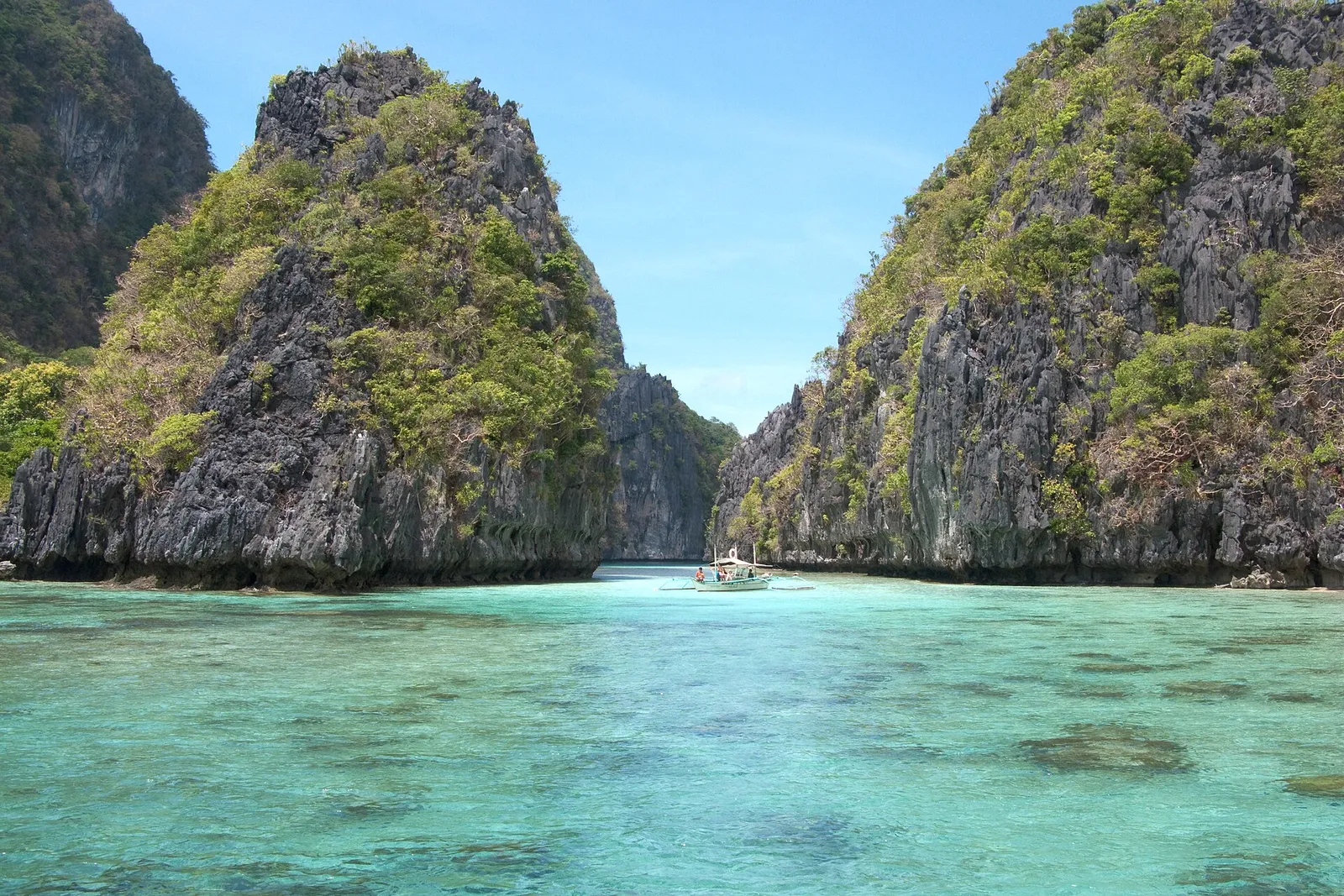
- El Nido: best in the dry season. Exposed to the south west monsoon, so trips can be disrupted from about June to October.
- Coron: wreck diving is possible much of the year, with the calmest seas in the dry season.
For more on how the three compare, read El Nido vs Coron vs Puerto Princesa for diving.
Tips for booking around the weather
- Leave a spare day in your plans in case a boat trip is cancelled.
- Book flexible flights and rooms in the wet season.
- Plan non-diving days at the end of your trip. Leave at least 18 hours between your last dive and your flight after several days of diving.
- Tell us your dates and we will tell you honestly what to expect.
Plan your dives
Whatever month you come, we will help you get the best out of the conditions. See our fun dives, browse all courses, or get in touch with your travel dates.
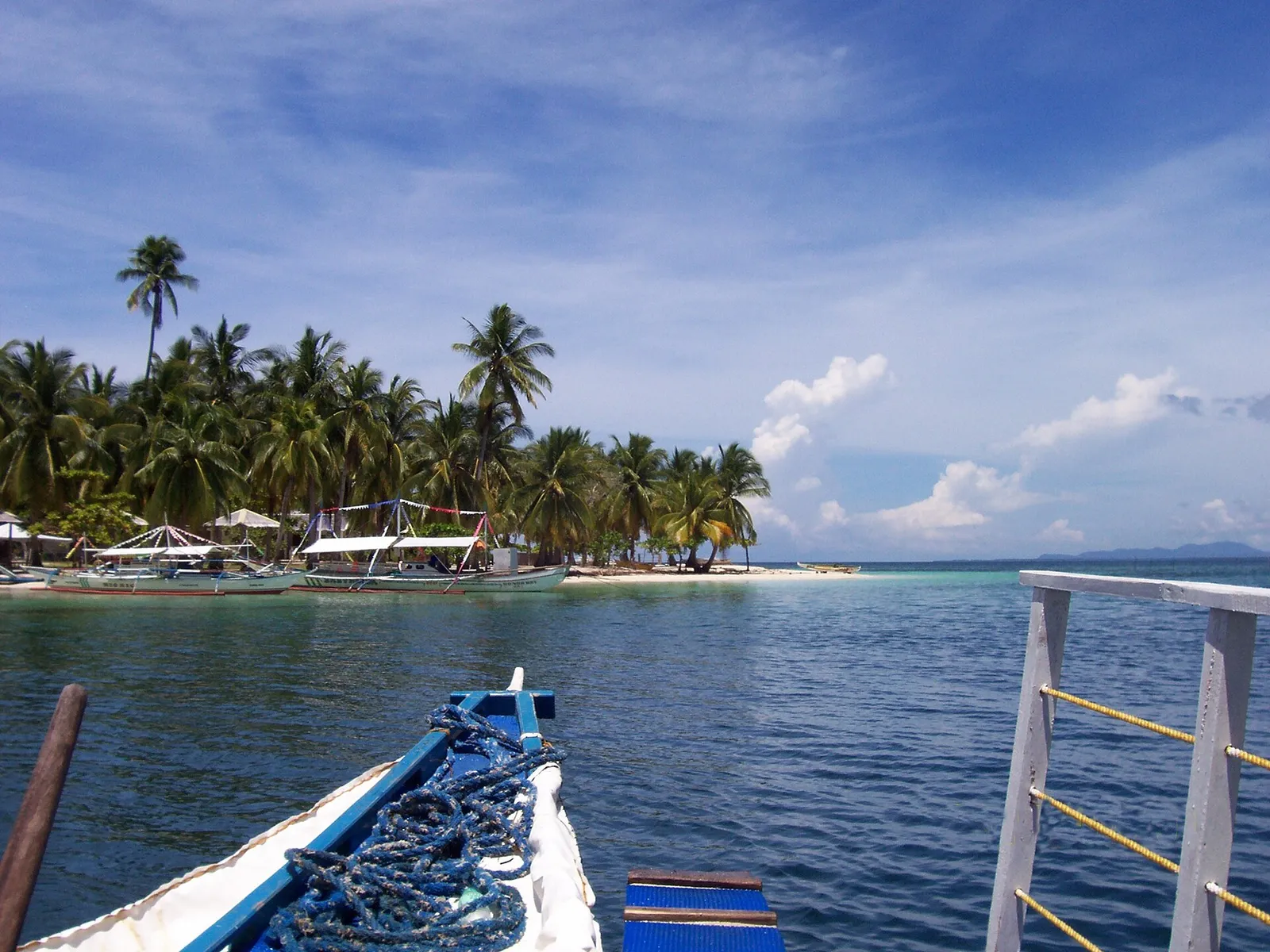
Cover photo: Island hopping in Honda Bay, Lsjtest, CC BY-SA 3.0, via Wikimedia Commons.